

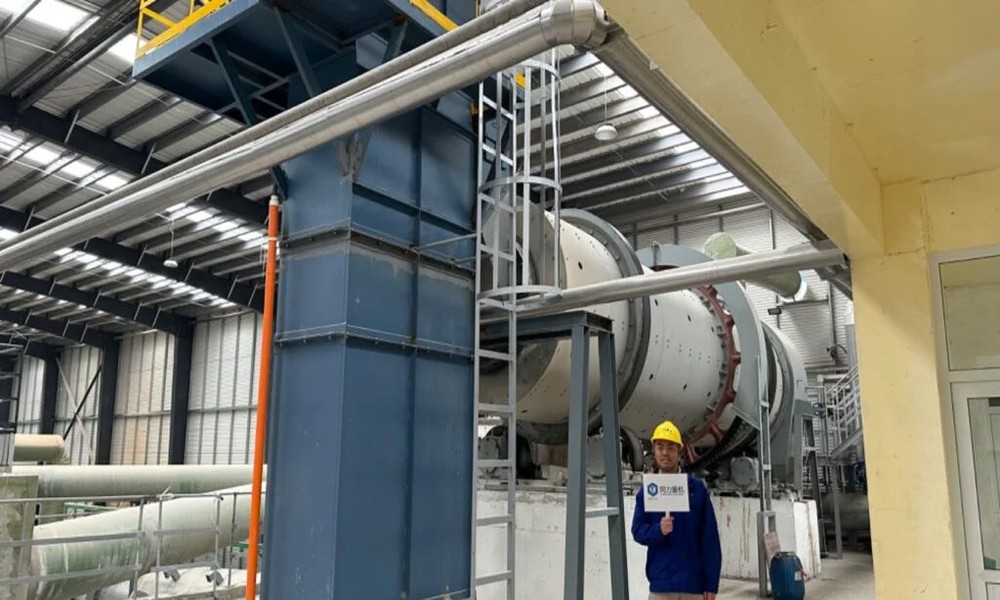
The silent hum of conveyor belts, the heft of bulk cargo, and the sharp eyes of inspectors used to define fertilizer unloading. Now, digital eyes and real-time sensors are transforming how every ton is checked, protected, and delivered.
The Evolution of Fertilizer Unloading Inspections
Traditional Inspection Methods and Their Challenges
Before technology seeped into port operations, fertilizer unloading inspections were all about human vigilance. Inspectors relied on their senses and basic tools to spot moisture, caking, foreign substances, or signs of contamination. Visual checks of conveyor belts, hoppers, and trucks were meticulous but slow. Any hint of water infiltration, discoloration, or leftover residue could halt an operation.
The challenge? Human error and inconsistent reporting often slipped through the cracks. Weather could mask problems until damage became irreversible. Inspectors sometimes missed subtle signs, and communication delays led to slow response times.
The Growing Need for Technological Integration
With international trade volumes rising and fertilizer quality under sharper scrutiny, the stakes have changed. Global buyers and regulators demand not just documentation but real-time assurance of cargo integrity. This pressure is fueling a shift: inspections now need data-driven precision, rapid response, and airtight traceability.
Key Technologies Revolutionizing Fertilizer Unloading
Visual Inspection Enhancements: Cameras and Imaging Tools
Digital cameras and high-resolution imaging are now a fixture in modern inspections. Strategically placed, they capture every stage of unloading, detecting discoloration, moisture infiltration, or contamination invisible to the naked eye. Inspectors review images in real time and create photo logs, which speed up incident documentation and stakeholder communication.
Sensor Technologies for Moisture and Contamination Detection
Moisture sensors, buried deep in cargo or installed on hoppers, provide instant alerts when levels creep beyond acceptable thresholds. Chemical sensors sniff out foreign substances, triggering immediate investigation and minimizing the risk of damaged fertilizer making its way into trucks or storage. These tools vastly outpace the old touch-and-smell method.
Automation in Equipment Monitoring: Conveyors and Hoppers
Smart monitoring systems now track conveyor and hopper conditions, looking for residues, water, or equipment faults. Automated alerts flag when cleaning is necessary or when rainwater seeps into the system. Remote monitoring lets supervisors track operations from anywhere, ensuring no detail gets missed due to human fatigue.
Case Study: Sea Sob’s Approach to Modern Fertilizer Unloading Inspections
Pre-Unloading Visual and Equipment Inspections
Sea Sob, based in Quebec, exemplifies the new standard in fertilizer supervision. Before any discharge begins, their inspectors conduct visual checks for moisture, caking, or foreign materials, while also examining equipment for cleanliness and readiness. By deploying handheld imaging devices, they back up observations with time-stamped photographic evidence.
Continuous Monitoring During Discharge Using Technology
The work does not stop once unloading starts. Inspectors use cameras and sensors to monitor cargo flow in real time, pausing the operation if contamination or damage is detected. Pictures are instantly shared with ship officers and clients, ensuring no delay in response.
Incident Handling: Real-Time Contamination Detection and Response
If a problem surfaces, inspectors act fast, taking photos, halting the process, and informing all parties. They assess the scale of damage, issue formal letters of protest if needed, and only resume when quality is assured. This rapid, tech-enabled approach helps avoid costly losses and disputes.
For those interested in a deeper dive into the tools and best practices at the cutting edge of this field, the Sea Sob fertilizer unloading superviser is a practical reference.
Benefits of Technology-Driven Inspections
Improved Cargo Quality Assurance and Reduced Losses
Sensors and imaging reduce guesswork, catching flaws before they escalate into major losses. Photo documentation and automated reporting limit disputes between shippers and receivers.
Enhanced Operational Efficiency and Safety
Inspections powered by technology are faster and more thorough. Automation of routine checks frees inspectors to focus on complex issues. Real-time alerts protect workers and cargo by enabling prompt corrective action.
Transparency and Real-Time Reporting to Stakeholders
With every inspection log, photo, and incident report instantly shareable, clients, shipowners, and insurers get up-to-the-minute updates. This transparency streamlines claims and fosters trust.
Challenges and Limitations of Current Technologies
Technical Barriers and Environmental Factors
While sensors and cameras are powerful, they face limits: high humidity, dust, and extreme temperatures can interfere with readings. Network connectivity in remote ports may hinder real-time reporting.
Training and Adaptation for Inspection Personnel
Technological upgrades demand training. Seasoned inspectors must adapt to new devices and digital workflows. The learning curve can slow adoption, especially in regions where manual inspection traditions run deep.
The Future of Fertilizer Unloading Inspections
Emerging Innovations: AI and Predictive Analytics
Artificial intelligence promises to spot patterns and predict spoilage or contamination before it happens. Predictive analytics could advise on the best times or methods for unloading to minimize risk.
Integration with Supply Chain and Logistics Systems
Seamless integration with logistics platforms will allow inspection data to flow directly to buyers, customs, and insurers, reducing paperwork and accelerating release to market.
Sustainable Practices Supported by Advanced Inspection Technologies
Advanced monitoring not only prevents product loss but also supports greener operations by reducing unnecessary waste and optimizing resource use throughout the supply chain.
Conclusion: Embracing Technology for Safer, Smarter Fertilizer Unloading
Technology has turned fertilizer unloading from a manual, risk-prone process into a data-driven, responsive operation. As sensors, imaging, and smart systems become the norm, cargo quality, operational efficiency, and transparency are reaching new heights. Those who embrace these changes, whether inspectors, shippers, or port managers, are setting a new standard for safety and reliability in global trade.
