

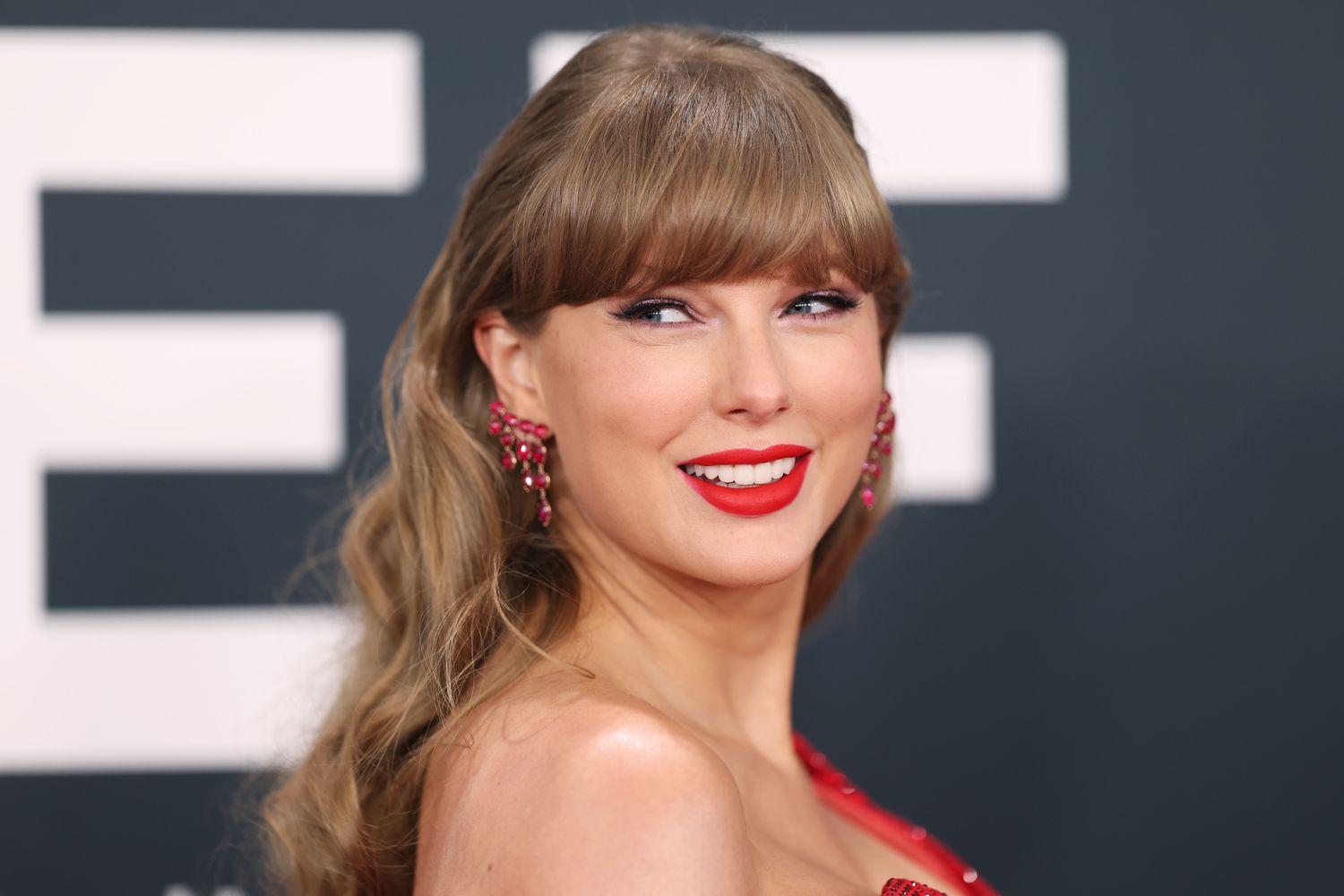
Taylor Swift’s journey to a ten-figure net worth is a story of strategic ownership, commercial dominance, and one of the most remarkable touring achievements in music history. She didn’t just make money—she made it in a way that most musicians can’t. If you are wondering how much money is Taylor Swift worth, she officially entered the billionaire ranks in 2024 due to the massive success of the Eras Tour.
Taylor Swift is worth approximately $1.1 billion as of 2024, according to Forbes – making her one of a small group of musicians who have reached billionaire status primarily through music. The Eras Tour alone is estimated to have generated over $1 billion in revenue in 2023, with most of that going directly to her.
The Revenue Story: How She Built It
Phase 1: The Nashville Machine (2006-2018)
Swift’s early wealth came through conventional music industry channels – album sales, radio royalties, touring, and brand partnerships. Her early catalog was commercially dominant, but she didn’t yet own her masters.
Phase 2: The Masters Dispute Changes Everything (2019)
When Scooter Braun acquired Big Machine Records and her original masters, Swift made a business decision that was also a declaration: she would re-record her first six albums as “Taylor’s Version.”
The strategic impact:
- Streaming revenue redirected toward versions she owns
- Fans and brands encouraged to use the new versions
- The commercial value of the original masters she doesn’t own declined
This move demonstrated business acumen that separated her from most artists who’ve faced similar situations.
Phase 3: The Eras Era (2023-2024)
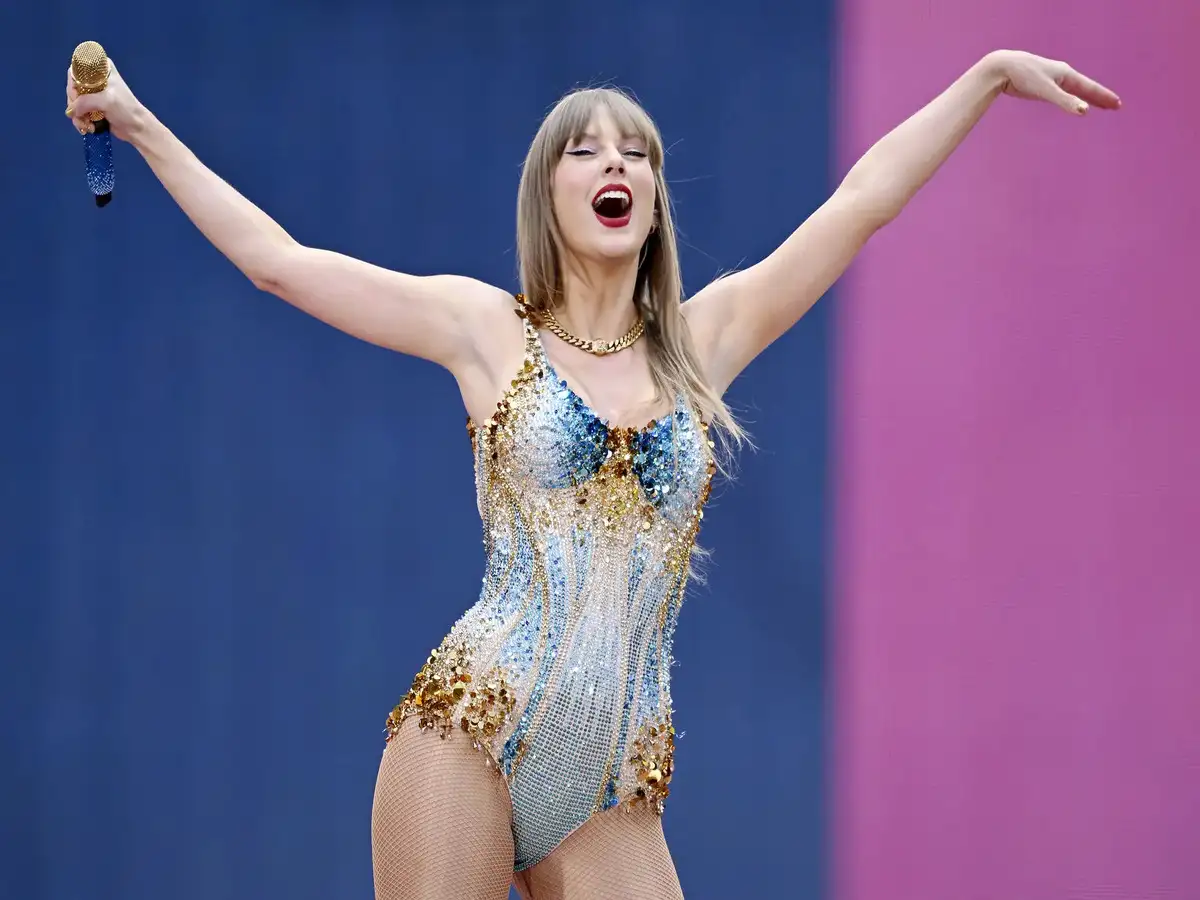
The Eras Tour became the highest-grossing concert tour in history:
| Metric | Figure |
|---|---|
| Estimated total gross | $1+ billion |
| Global dates | 150+ shows across North America, Europe, Asia, Australia |
| Average ticket (resale) | $1,000-$1,500 secondary market |
| Concert film gross | $261 million (she owns it) |
| Economic impact reported | $4.6B US economic activity (Federal Reserve cited) |
Where the Money Comes From Now
| Source | Estimated Annual/Total Value |
|---|---|
| Music catalog (Taylor’s Version) | Ongoing streaming + licensing royalties |
| Eras Tour net proceeds | ~$400-500M personal take estimated |
| Concert film | ~$200M+ (she owns the film) |
| Real estate (NYC, Nashville, RI, LA, Nashville) | ~$150M portfolio value |
| Past brand deals | CoverGirl, Diet Coke, Capital One, Apple |
| Merchandise | Significant; percentage of tour revenue |
The Billionaire Debate
Forbes officially declared Swift a billionaire in 2023. The figure is based on music catalog value, real estate, touring proceeds, and investments.
Is she “self-made”? The honest nuance: Swift grew up in an affluent family (her father Scott Swift purchased a stake in Big Machine Records, which facilitated her label deal). However, the billion-dollar fortune she has today is the product of her own professional decisions, commercial execution, and negotiating skill – not an inheritance.
Is the valuation accurate? Music catalog valuations are inherently uncertain – they depend on future royalty streams, streaming trends, and catalog sale multiples. The Eras Tour proceeds are cleaner to estimate. A range of $900M-$1.3B probably brackets the true figure reasonably.
Comparison: Music’s Wealthiest
| Artist | Estimated Net Worth | Primary Wealth Source |
|---|---|---|
| Jay-Z | ~$2.5 billion | Music + business ventures |
| Rihanna | ~$1.4 billion | Primarily Fenty Beauty |
| Paul McCartney | ~$1.3 billion | Beatles catalog + touring |
| Taylor Swift | ~$1.1 billion | Music + touring + ownership |
| Bruce Springsteen | ~$1.1 billion | Catalog sale + touring |
| Dr. Dre | ~$500 million | Music + Beats headphones sale |
Swift is notable for reaching this level through music itself – most artists in the billionaire range have significant non-music business income (Rihanna’s cosmetics empire, Jay-Z’s spirits and tech investments).
Bottom Line
Taylor Swift is worth approximately $1.1 billion – built through two decades of commercial dominance, a strategic response to losing her masters, and the most successful concert tour in history. What makes her wealth story distinctive isn’t just the scale but the mechanism: she got there largely by owning her work, negotiating from strength, and turning a business dispute (the masters conflict) into a revenue-generating campaign. The lesson applies well beyond the music industry.
