

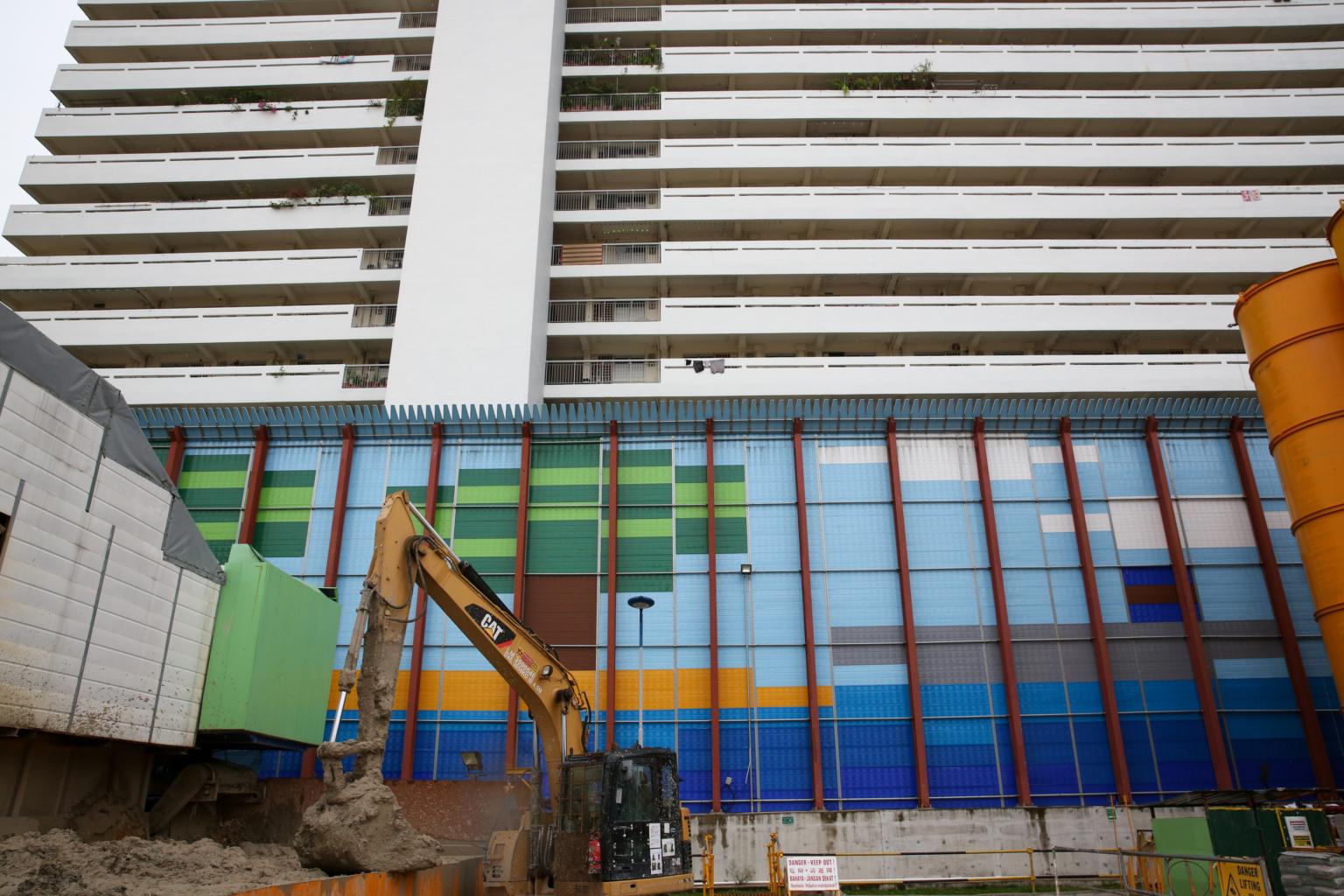
Spend enough time in Singapore and you’ll quickly notice a familiar sight: tall, structured panels lining expressways, shielding residential estates and schools from the relentless hum of traffic or the rumble of MRT trains. These are noise barriers, a key part of Singapore’s ongoing mission to manage sound in an urban jungle that never truly sleeps.
But here’s the question: Do they really work? And are they enough? As the city continues to build upward and outward, many locals are beginning to wonder if these noise reduction barriers in Singapore are keeping up with the pace, or if it’s time for a fresh approach to quiet.
Why Are Noise Barriers Even Necessary in Singapore?
If there’s one thing Singapore does exceptionally well, it’s maximising space, which often means squeezing housing, roads, and public transport systems into tight quarters. While that’s great for connectivity, it does come with a downside: unavoidable, ambient noise.
From traffic-heavy arteries like the PIE and CTE, to the elevated tracks of MRT lines, to constant construction across the island, Singapore’s soundscape can be downright overwhelming at times, especially if you live near the action.
That’s where soundproofing materials come in. By physically blocking or deflecting sound waves, they reduce the noise that reaches surrounding buildings. This isn’t just about comfort or convenience; studies show that chronic exposure to high noise levels can affect sleep, increase stress levels, and even impact heart health. So yes, noise control is public health policy.
The Land Transport Authority (LTA) has been steadily increasing the deployment of these barriers, particularly near older HDB estates and schools that pre-date modern noise-mitigation standards. You’ll see them along busy corridors like the North-South and East-West MRT lines, and major roads like the AYE.
How Well Do Noise Barriers Actually Work?
To be blunt: they help, but they’re not perfect.
A well-placed noise barrier can cut sound by around 10 to 15 decibels, which may not seem like much on paper, but to your ears, that’s the difference between feeling like you’re next to a highway and being comfortably distanced from it.
But effectiveness depends on a few things:
- Height and length: The taller and longer the barrier, the better it blocks sound.
- Material: Denser materials absorb more noise.
- Angle and placement: Barriers need to be positioned in a way that intercepts the path of the sound waves.
Unfortunately, barriers are often limited by space constraints. In a compact city like Singapore, there’s not always room to build them tall or long enough. What’s more, low-frequency sounds, like the thud of heavy construction or deep engine rumble, tend to pass through or around even the best barriers.
And of course, buildings that are taller than the barriers themselves? They’re still catching a fair bit of noise from above.
Could Singapore Be Doing More?
Short answer: Yes. Longer answer: It’s tricky, but yes.
While Singapore’s approach to noise management is considered advanced compared to many other cities, there’s always room for improvement, especially with rising urban density and heightened sensitivity to noise pollution.
Here are a few ways we could take things further:
1. More Proactive Noise Mapping
Rather than reacting to complaints, urban planners could use predictive models to identify future noise hotspots, such as planned expressways or MRT extensions, and install barriers from day one, not years later.
2. Smarter Barrier Design
Other cities are exploring more innovative noise barrier designs — think green walls with vegetation that absorbs and diffuses sound, or transparent acoustic panels that don’t block views but still provide a noise buffer. Singapore has dabbled in this, but there’s room to scale it up.
3. Tackling Temporary Construction Noise
One major pain point is short-term construction noise, which noise barriers often don’t address effectively. Deploying mobile sound curtains, stricter work-hour enforcement, or mandating on-site noise enclosures could offer immediate relief without stalling progress.
4. Complementing Barriers with Building Solutions
Why stop at the roadside? More HDB upgrades and private developments could benefit from double-glazed windows, acoustic wall panels, or even courtyard buffers that redirect sound upwards. In a place where land is scarce, vertical noise solutions might be the next frontier.
What About Community Input?
Here’s something worth thinking about: Residents notice noise before policies do. More localised feedback, community-led monitoring, and transparent data reporting could help agencies spot issues earlier and build trust.
At the end of the day, Singaporeans are quite practical — if something’s too noisy, they want it fixed, not debated for years. Encouraging public input could speed up solutions where they’re needed most.
The Bigger Picture
Noise barriers aren’t a cure-all, but they’re an important part of the puzzle. They help to create a more liveable city, especially in high-density zones where silence is a luxury.
But as we continue to build smarter, taller, and faster, Singapore’s noise management policies will need to evolve too. That means embracing multi-layered approaches, better materials, more data, and yes, more empathy for those living with the noise, not just designing around it.
Final Thoughts
In many ways, Singapore is a poster child for thoughtful urban planning. But sound doesn’t respect boundaries or blueprints — it travels. So it’s worth asking: Are we designing our city just to move faster, or are we also making it easier to live in?
Because in the long run, a quieter Singapore isn’t just a nicer place to live — it’s a healthier, more resilient one too.
