

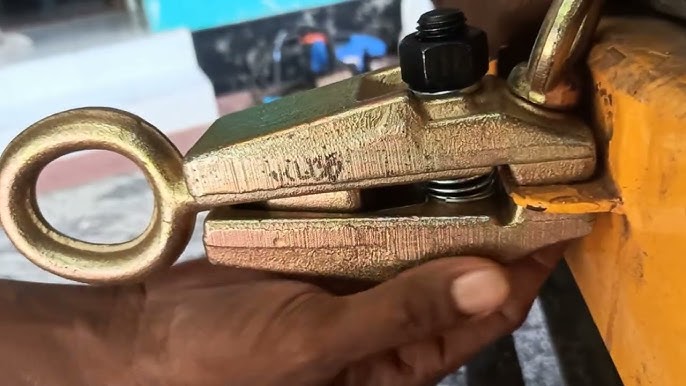
Proper setup of tools plays a key role in keeping operations smooth, where accuracy matters for every task performed. Equipment like frame pulling clamps helps maintain the structure’s position during adjustment work, which supports better outcomes. Regular attention to alignment tools reduces mistakes, which may slow progress during heavy workloads. Workers rely on stable systems to complete tasks without delays or repeated corrections. A clear process ensures each step remains controlled, which improves output quality while reducing stress across the workspace environment.
Why alignment checks matter daily
Daily checks ensure systems stay accurate during frequent use because repeated operations can shift settings, which leads to errors if ignored during busy working hours.
How tools affect alignment accuracy
Proper tools improve alignment by holding components firmly, which prevents movement during adjustment while maintaining the correct position for consistent results across different tasks performed regularly.
Why calibration improves consistency
Calibration ensures tools provide accurate readings, which supports consistent outcomes across repeated tasks while reducing the chance of misalignment during heavy usage conditions.
How storage affects tool lifespan
Proper storage protects tools from damage, which helps maintain alignment accuracy while extending usability across long periods without affecting performance or reliability.
Why monitoring improves work quality
Regular monitoring helps track performance changes, which allows quick corrections while ensuring alignment systems remain stable during ongoing tasks throughout the working day.
Why simple routines improve efficiency
Simple routines ensure tasks follow a clear path, which reduces confusion while supporting faster completion without affecting alignment quality or overall system stability.
What quick daily checks include
Simple checks improve system stability during regular operations.
• Inspect tool position before starting work to ensure alignment accuracy remains stable during active use across different tasks performed daily.
• Clean surfaces properly to remove dust, which may affect tool placement and reduce accuracy during repeated alignment adjustments across sessions.
How to choose the right tools
Choosing the correct tools improves alignment accuracy during work.
• Select tools with strong grip support to hold components firmly, which prevents movement during adjustment processes for better alignment results.
• Ensure tools match task requirements, which helps maintain proper alignment without causing unnecessary strain during handling or adjustment processes daily.
A reliable system depends on consistent habits, careful tool selection, and steady monitoring across all tasks performed. Strong processes help reduce errors while improving overall workflow without creating confusion. Balanced attention to cleaning, inspection, and correct handling ensures tools stay accurate over time. Choosing proper equipment combined with trained handling supports better outcomes across repeated operations. Using dependable items like frame pulling clamps, along with structured routines, helps maintain alignment quality while reducing delays and ensuring steady performance across demanding work conditions.
FAQs
What causes alignment errors during work?
Frequent tool use without checks causes small shifts, which lead to alignment errors affecting accuracy during repeated tasks in busy environments.
How often should tools be inspected?
Tools should be inspected daily before use to ensure proper function and prevent alignment issues during ongoing operations across heavy workloads.
Why is tool cleaning important regularly?
Cleaning removes dust buildup, which affects precision, ensuring tools maintain proper alignment performance during repeated tasks without causing measurement errors.
