

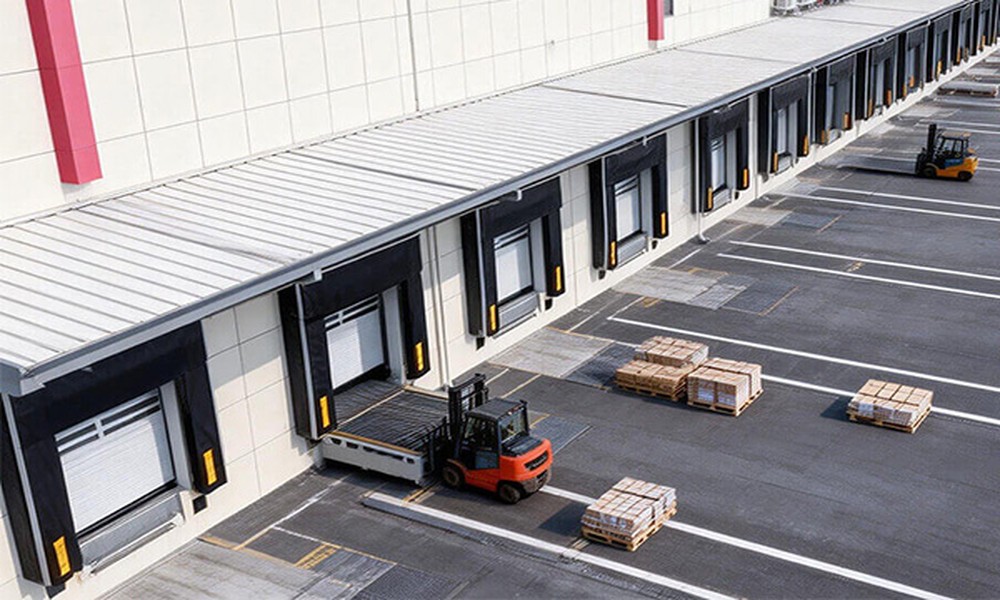
What Are the Key Benefits of Using Inflatable Dock Shelters?
It’s tough to ignore the sight of a poorly sealed loading dock, with weather rushing in and expensive energy leaking out. For anyone managing a busy facility, myths about inflatable dock shelters have likely been passed around, painting them as delicate, unreliable, or cumbersome. The truth is far more impressive.
Debunking Common Myths About Inflatable Dock Shelters
Myth 1: Inflatable Dock Shelters Are Fragile and Easily Damaged
The knee-jerk assumption that inflatable dock shelters are weak doesn’t hold up against the innovation behind modern designs. Advanced synthetic fabrics and heavy-duty reinforcements allow these shelters to withstand constant contact with trucks and trailers, resisting punctures and the wear-and-tear of daily use. Many models incorporate abrasion-resistant surfaces and flexible air chambers, which absorb impact rather than transferring it to your building.
High-traffic facilities have seen these shelters in action, protecting their loading bays through thousands of cycles per year without significant degradation. Logistics centers that once feared frequent repairs now rely on inflatable technology to keep operations flowing.
Myth 2: They Don’t Provide Effective Energy Savings
When it comes to energy loss, the weakest link is often the gap between a trailer and your building. Inflatable dock shelters excel here, expanding to create a snug, adaptive seal around vehicles of varying sizes. This seal sharply reduces infiltration of outside air and loss of conditioned air from the inside.
Facilities using inflatable seals have reported lower heating bills in winter and more stable cooling costs in summer. One distribution hub compared energy expenses before and after installing these shelters and saw a double-digit percentage drop in HVAC costs. In the long term, these savings can easily add up to hundreds or thousands of dollars annually.
Myth 3: Installation and Maintenance Are Complicated and Costly
Gone are the days when installing dock equipment meant weeks of downtime or intricate retrofitting. Most inflatable dock shelters are delivered as modular systems, ready to mount with straightforward hardware. Installation typically takes less time than older fixed-frame options.
Routine care is equally simple. Periodic inspections for leaks and scheduled cleaning are usually all that is required. Compared to traditional foam or rigid shelters, inflatable options suffer less from permanent compression, which can lead to leaks or the need for costly replacements. Over several years, the cost of maintenance and replacement parts tends to be much lower.
Myth 4: Inflatable Dock Shelters Don’t Adapt Well to Different Trailer Sizes
The idea that one size must fit all is outdated. Inflatable dock shelters automatically adjust to seal trailers of various widths and heights. With air-powered chambers, the seal conforms exactly to the vehicle’s shape, ensuring a tight fit regardless of irregularities or mismatched sizes.
To highlight the difference, compare these features:
| Feature | Inflatable Dock Shelter | Fixed Dock Seal |
|—————————|————————|—————————-|
| Adaptability | High | Limited |
| Protection for Wide Loads | Excellent | Often Inadequate |
| Wear on Truck/Building | Minimal | Can Cause Scraping/Damage |
Facilities moving many trailer types benefit immensely from this versatility. Adaptive sealing improves throughput, safety, and reduces time spent adjusting dock equipment.
Myth 5: They Offer Limited Protection for Loading Dock Structures
Impact damage at the dock is expensive and dangerous. Inflatable dock shelters cushion the blow when trucks back up to the bay, protecting both the facility and the vehicles. The air-filled chambers absorb most of the force, preventing direct contact with walls, frames, or delicate door hardware.
This not only reduces costly repairs but creates a safer environment for workers and cargo. Packages, pallets, and personnel are less likely to suffer from shifting or weather exposure during the critical loading and unloading window.
Myth 6: Inflatable Dock Shelters Are Not Suitable for Harsh Weather Conditions
Worried about the elements? Inflatable dock shelters are designed to handle everything from summer scorchers to bone-chilling blizzards. Weather-resistant outer fabrics shield from rain, snow, and wind, while the inflation mechanism is engineered to operate reliably in both extreme cold and heat.
Facilities in regions with freezing winters or tropical storms have documented years of reliable performance, noting little to no drop in effectiveness or structure. The longevity of these shelters under environmental stressors makes them a smart investment for facilities facing unpredictable weather.
Why Choosing Inflatable Dock Shelters Makes Sense
When you tally up the real-world benefits, energy savings, unmatched adaptability, faster installation, structural protection, and all-weather performance, the case for inflatable dock shelters is clear. The industry is continually evolving, with innovations making these solutions more robust and user-friendly every year.
If you’re evaluating your options, resources like Door Doctor dock seals and shelters offer a comprehensive look at the technology and product range available. Ultimately, moving past old misconceptions opens the door (literally) to safer, more efficient, and cost-effective loading operations. The right shelter doesn’t just keep out the elements; it keeps your business running at peak performance.
