

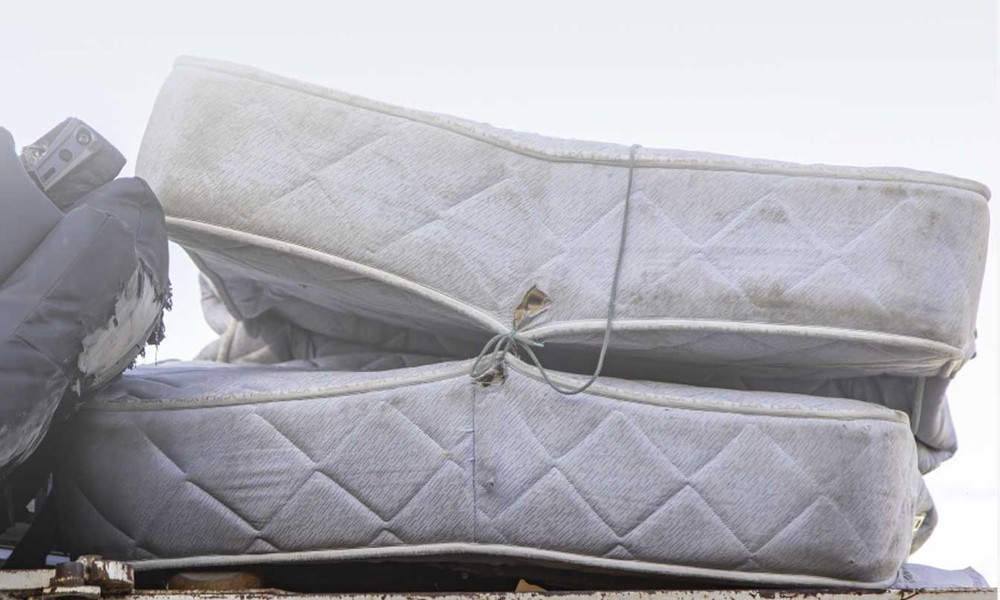
Convenience might be the first thing that comes to mind when people hear “mattress removal,” but the real story runs much deeper. Every year, millions of mattresses are tossed aside, their bulk and complex materials posing a daunting challenge for communities seeking a cleaner, more sustainable future.
Myth 1: Mattress Removal Is Just About Convenience
The image of a worn mattress left at the curb only scratches the surface. Many assume that hauling away an old mattress is no more significant than getting rid of a bag of trash, but the implications are far-reaching.
Why Proper Disposal Goes Beyond Simple Trash Pickup
Mattresses are engineered to last. Their size, weight, and multi-layered construction mean that improper disposal clogs up waste streams, strains municipal services, and creates logistical nightmares. Landfills, already overburdened, cannot easily accommodate these cumbersome items, leading to an increased risk of illegal dumping in alleys, parks, and vacant lots.
The Environmental Cost of Improper Mattress Dumping
Abandoned mattresses leak chemicals and fibers into the soil and water, releasing toxins over time. Worse, they take decades to decompose, all the while crowding landfills and contributing to urban blight. The environmental price of improper mattress disposal is one that communities pay for generations.
Myth 2: All Mattresses Are Non-Recyclable Waste
A common misconception is that mattresses are landfill-bound by design. In reality, they are treasure troves of recyclable materials.
Understanding Mattress Components and Their Recyclability
Each mattress typically contains steel, wood, cotton, polyester, and foam. These components are highly recyclable when separated correctly. Steel springs can be melted down, wood frames chipped into mulch, and foams repurposed for carpet padding or insulation. When handled by a dedicated recycling facility, up to 95% of a mattress can be diverted from landfill.
How Modern Recycling Processes Transform Mattress Materials
Specialized services dismantle mattresses layer by layer. Advanced machinery and manual labor work together to recover materials efficiently. In Quebec and Ontario, over 400,000 units are recycled annually, while France reports recycling at least one million mattresses per year. These figures showcase how industrial-scale recycling is not only feasible but already making a significant impact.
Myth 3: Mattress Removal Services Are Too Expensive to Be Worth It
Sticker shock deters some from seeking professional removal, but a closer look reveals the true cost of inaction.
Cost vs. Environmental Benefits: A Value Comparison
While there may be a fee for services, the environmental savings far outweigh the upfront costs. Consider the resources saved by keeping bulky mattresses out of landfills, reducing landfill maintenance expenses, and preventing soil and water contamination. The long-term benefits for communities and ecosystems are impossible to ignore.
Hidden Costs of Illegal Dumping and Landfill Overuse
Illegal dumping triggers costly cleanups, fines, and health risks. Landfills forced to accommodate mattresses face increased maintenance and reduced lifespan. The true expense is often paid down the line in higher taxes, degraded public spaces, and strained local services.
Myth 4: DIY Mattress Disposal Is Just as Effective
Rolling up your sleeves to handle mattress disposal yourself may seem like a money-saving move, but it often results in unintended problems.
The Complex Logistics Behind Mattress Recycling
Proper recycling requires specialized equipment and access to facilities willing to accept mattresses. Individuals rarely have the means to ensure that each component is separated and processed correctly, leading to more waste and less recovery.
Health and Safety Risks of Handling Mattresses Improperly
Old mattresses can harbor dust mites, mold, and sharp metal springs. Lifting, cutting, or transporting them without professional help exposes individuals to physical injury and contact with harmful contaminants.
Myth 5: Recycling Mattresses Has Minimal Impact on Sustainability
It is easy to underestimate the difference one mattress can make, but the numbers tell a powerful story.
Quantifying the Environmental Benefits of Mattress Recycling
Diverting mattresses from landfill reduces greenhouse gas emissions and conserves raw resources. The steel, foam, and fabric recovered from just one mattress save enough energy to power a household for days. Multiply that by hundreds of thousands, and the impact is undeniable.
Mattress Recycling as a Model for Circular Economy Practices
Mattress recycling exemplifies the shift from a “take-make-waste” system to a circular model, where materials are reused and repurposed. This approach reduces pressure on virgin resources and encourages industries to prioritize sustainability from the start.
Myth 6: Mattress Removal Services Only Operate in Limited Regions
With sustainability catching on worldwide, access to professional mattress removal is rapidly expanding.
Expanding Services: Case Studies from Quebec, Ontario, and France
In Quebec and Ontario, industry leaders like Recyc-Matelas mattress removal have created systems capable of recycling hundreds of thousands of mattresses annually. In France, the one-million mark is a testament to national commitment. These cases prove that large-scale mattress recycling is both achievable and scalable.
How Global Trends Influence Local Recycling Efforts
International success stories inspire local governments and companies to invest in better recycling infrastructure. As consumers demand greener options, even more regions are rolling out convenient, eco-friendly mattress removal and recycling programs.
The Future of Mattress Removal in Sustainable Living
The story does not end here. Innovations in recycling technology are streamlining processes and recovering even more materials. Consumers have the power to shape the future by supporting sustainable removal services and making informed choices when purchasing new mattresses. With smarter solutions on the horizon, mattress removal is poised to become a cornerstone of sustainable living, moving us all closer to a cleaner, more responsible world.
