

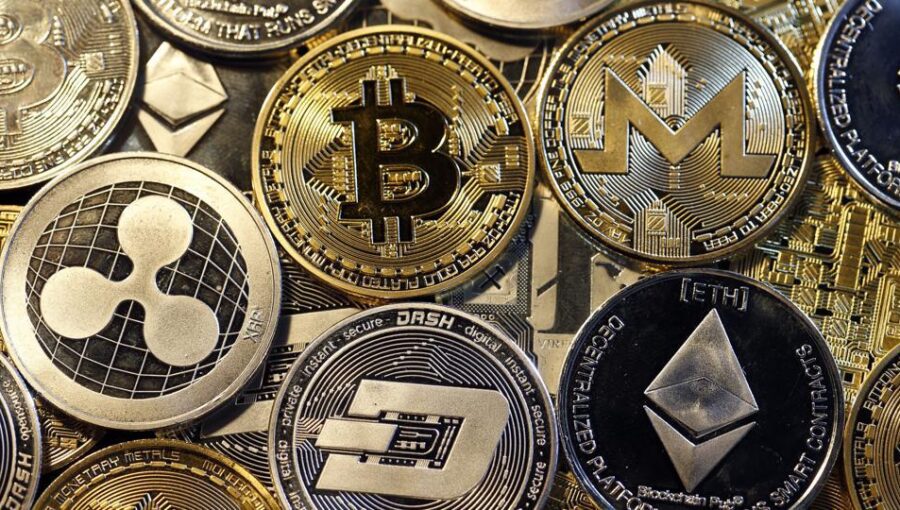
Straight answer: Bitcoin (BTC) and Ethereum (ETH) remain the most defensible crypto investments for most people right now – not because they’re exciting, but because they have the deepest liquidity, the most institutional backing, and the longest track record of surviving brutal market cycles.
That said, ‘best crypto to buy’ depends entirely on your risk tolerance, time horizon, and whether you actually understand what you’re buying. This guide skips the hype and focuses on what holds up under scrutiny.
A Quick Disclaimer Before Anything Else
Crypto is one of the most volatile asset classes on the planet. Coins that 10x can also drop 90% – and have, repeatedly. Never invest money you can’t afford to lose. This is not financial advice; it’s an informed overview to help you ask better questions.
Top Cryptos Worth Serious Attention Right Now
| Crypto | Ticker | Primary Use Case | Risk Level | Why It’s on the Radar |
| Bitcoin | BTC | Store of value, digital gold | Medium | ETF approval, institutional adoption, halving cycle |
| Ethereum | ETH | Smart contracts, DeFi, NFTs | Medium | Largest dev ecosystem, staking yield, ETF momentum |
| Solana | SOL | Fast transactions, low fees | Medium-High | Strong developer growth, DeFi and payments use |
| Chainlink | LINK | Oracle data for smart contracts | High | Real-world data integration, enterprise partnerships |
| Bitcoin Cash | BCH | Payments, low-fee transfers | High | Utility-focused, but smaller ecosystem |
How to Actually Think About Buying Crypto
Most people make the mistake of buying based on price per coin – thinking a $0.10 token is ‘cheaper’ than Bitcoin. That’s not how it works. What matters is market cap, liquidity, and use case sustainability.
| Factor | What to Look At | Why It Matters |
| Market Cap | Total value of all coins in circulation | Higher market cap = more stable, harder to manipulate |
| Liquidity | Daily trading volume | Low liquidity = hard to exit quickly without moving the price |
| Use Case | What problem does it actually solve? | Coins with no real utility tend to fade in bear markets |
| Team & Development | Active GitHub, known developers | Dead projects have no developers pushing updates |
| Exchange Listings | Available on Coinbase, Kraken, Binance? | Reputable listings = more oversight and accessibility |
What to Approach with Caution
A few honest warnings for anyone browsing crypto forums right now:
- Meme coins – fun to trade, genuinely dangerous to hold. DOGE and SHIB have loyal communities but no underlying utility driving long-term value.
- Newly launched tokens – any coin less than 12 months old should be treated as high-risk speculation, not investment.
- Influencer picks – if a crypto YouTuber is excited about something, ask who’s paying them. Sponsored content is rampant in this space.
- ‘Guaranteed return’ staking schemes – anything promising 50%+ APY is almost certainly unsustainable or outright fraudulent.
Before You Buy: Practical Checklist
| Step | Action |
| 1. Choose a reputable exchange | Coinbase, Kraken, or Gemini for US users. Avoid unregulated offshore platforms. |
| 2. Set up a hardware wallet | For anything over $500 in crypto, move it off exchanges into cold storage. |
| 3. Understand the tax implications | In most countries, crypto gains are taxable events – even crypto-to-crypto trades. |
| 4. Start small | Your first purchase should be an amount you’re comfortable watching drop 50% overnight. |
| 5. Don’t check prices daily | It creates anxiety and leads to bad decisions. Check quarterly if you’re investing long-term. |
The Real Talk Most Guides Skip
Most people who try to time the crypto market lose money. Studies consistently show that simple dollar-cost averaging – buying a fixed amount of BTC or ETH every month regardless of price – outperforms most active trading strategies over a 3-5 year window.
The people who’ve made real money in crypto mostly did it by getting in early, holding through the crashes, and not panicking. That sounds simple. In practice, watching your portfolio drop 60% without selling is genuinely hard – and most people don’t manage it.
Bottom Line
If you’re new to crypto: Bitcoin first, then Ethereum, then nothing else until you understand what you own. If you’re comfortable with risk and have done your research, Solana and Chainlink represent projects with real ecosystems and use cases worth studying.
Do your own research. Talk to a financial advisor if you’re investing significant amounts. And never let FOMO drive the decision.
